
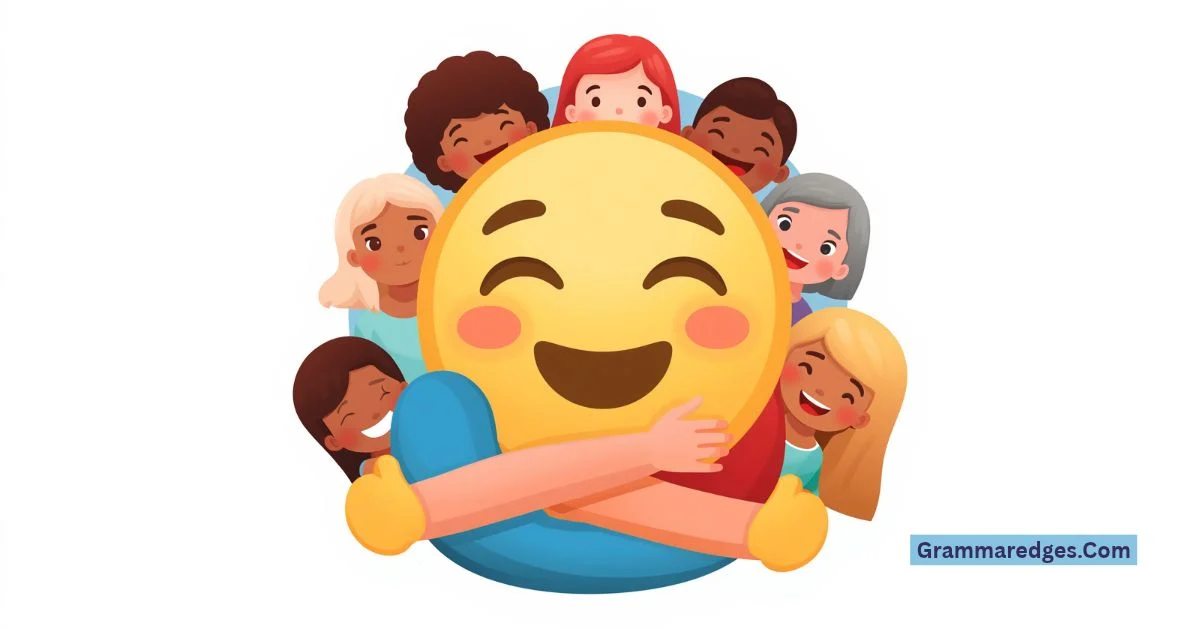
The hug emoji 🫂 is a simple way to show care, comfort, affection, and emotional support without saying too much. When someone is having a hard day, missing you, or simply needs a little warmth, this emoji can make a message feel more personal.
You may see it in WhatsApp chats, Instagram comments, TikTok captions, or messages between close friends and family members. But does 🫂 always mean a friendly hug, or can it have a romantic meaning too?
The answer depends on the conversation and your relationship with the person. In this guide, we’ll explore the hug emoji meaning, when to use it, what it can suggest in different situations, and some cute combinations you can copy and paste.
What do hug emoji mean?
The hug emoji family is mostly about affection, warmth, closeness, and emotional connection. Still, the feeling can change depending on the words around it and your relationship with the person.
For example, 🫂 can feel comforting after someone has had a difficult day, while 🤗 can make a friendly message feel warmer. A heart such as ❤️ can make a message more romantic, while 🤍 can create a softer, gentle tone.
Here are some common emoji meanings and how context can shape them:
| Emoji | Core meaning | Misread as | Best used when |
|---|---|---|---|
| 🫂 | Warmth and emotional support | A romantic hug | Comforting someone |
| 🤗 | Friendly warmth and happiness | Flirting | Friendly conversations |
| ❤️ | Strong affection | Romantic love only | Close emotional messages |
| 🥰 | Tender affection | Overly romantic | Sweet personal moments |
| 😊 | Warm happiness | Formal politeness | Friendly replies |
| 😘 | Affectionate closeness | Serious romance | Playful personal chats |
| 💕 | Affection and togetherness | Excessive romance | Cute messages |
| 💗 | Growing affection | A romantic confession | Sweet conversations |
| 💖 | Warm excitement and affection | Strong romantic interest | Cheerful loving messages |
| 🤍 | Gentle care and warmth | Sadness | Soft supportive messages |
🫂 Hug Emoji
Meaning: Comfort, support, warmth, and a caring virtual hug.
Example 1: I’m always here for you 🫂
Example 2: Sending you a big hug today 🫂
🤗 Hugging Face
Meaning: Friendly warmth, openness, and a cheerful emotional gesture.
Example 1: So happy to hear from you 🤗
Example 2: Thanks for checking on me 🤗
❤️ Red Heart
Meaning: Deep love, affection, and emotional connection.
Example 1: I miss you ❤️
Example 2: You are my everything ❤️
🥰 Smiling Face With Hearts
Meaning: Tender affection, happiness, and a soft loving feeling.
Example 1: That message made my day 🥰
Example 2: You are so sweet 🥰
😊 Smiling Face
Meaning: Warm happiness, kindness, and a gentle positive feeling.
Example 1: That was really kind of you 😊
Example 2: I’m glad you’re okay 😊
😘 Face Blowing a Kiss
Meaning: Affectionate closeness with a playful and personal tone.
Example 1: Good night, talk tomorrow 😘
Example 2: Take care of yourself 😘
💕 Two Hearts
Meaning: A soft expression of affection, closeness, and togetherness.
Example 1: Thinking of you today 💕
Example 2: We had such a lovely time 💕
💗 Growing Heart
Meaning: A sweet expression of increasing affection and emotional warmth.
Example 1: You keep making me smile 💗
Example 2: That was such a sweet surprise 💗
💖 Sparkling Heart
Meaning: Bright affection, excitement, and cheerful emotional warmth.
Example 1: This made me so happy 💖
Example 2: You deserve all the love 💖
🤍 White Heart
Meaning: Gentle care, sincerity, peace, and quiet emotional warmth.
Example 1: I’m thinking about you 🤍
Example 2: Sending love your way 🤍
How to use hug emoji the right way
On WhatsApp emojis, the hug emoji works naturally in personal conversations. Use it when comforting a friend, thanking someone for being there, or ending a caring message.
For example, “I hope tomorrow feels better 🫂” sounds warmer than the same sentence without an emotional touch.
On Instagram, Instagram emojis often become part of captions, comments, Stories, and replies. Keep combinations visually simple when you want an aesthetic or polished look.
On TikTok, the same emoji family can appear in comments, captions, and reaction-style posts. Humor and playful context can change how a message feels, so read the surrounding conversation before using an affectionate combination.
A few simple dos and don’ts can help:
- Do use emojis that match your actual emotion.
- Do consider your relationship with the person.
- Do keep combinations easy to understand.
- Don’t assume every heart or hug feels romantic.
- Don’t overload a serious message with too many symbols.
- Don’t copy a trending combination if it does not fit your conversation.
Best hug emoji combos — copy & paste
If you want quick copy paste emojis, these combinations can make messages feel warmer without adding a long explanation.
Romantic
👉 ❤️🫂 — Sending love and a warm virtual hug.
👉 🥰❤️ — A sweet message for someone special.
👉 🫂💖 — A loving hug with extra warmth.
Cute
👉 🤗💕 — A cheerful and affectionate hello.
👉 🫂😊 — A friendly hug for someone you care about.
👉 🥰💗 — A soft, sweet reaction to a lovely message.
Flirty
👉 😘❤️ — A playful affectionate reply.
👉 🤗😘 — A warm message with a teasing touch.
👉 🥰💖 — A cute response when the conversation feels special.
Missing Someone
👉 🫂🤍 — A gentle way to say you are thinking of someone.
👉 ❤️🫂 — A warm message for someone far away.
👉 💕🫂 — A soft reminder that you miss their presence.
Good Night
👉 🌙🫂 — A cozy good-night message.
👉 ❤️😘 — A sweet goodbye before sleep.
👉 🥰🤍 — A gentle way to end a caring conversation.
Trending hug emoji in 2026
Emoji habits continue to change as people use messaging apps, short-form videos, and social platforms in more creative ways. In 2026, familiar emotional emojis are still useful because they can add tone without making a message longer.
🫂 is especially natural in supportive conversations, while 🤗 works well in friendly replies. ❤️ and 🥰 are often chosen when users want a more affectionate tone. Their popularity is less about one fixed meaning and more about how easily they fit different digital conversations.
Younger users, everyday texters, and content creators can all use these emojis, but the exact style depends heavily on the platform and the relationship between people.
| Emoji | Why trending | Who uses it | Platform |
| 🫂 | Fits supportive and emotional messages | Friends and everyday texters | WhatsApp, Instagram |
| 🤗 | Works naturally in friendly reactions | Casual users and creators | Instagram, TikTok |
| ❤️ | Easy to pair with personal messages | Broad audiences | WhatsApp, Instagram, TikTok |
| 🥰 | Adds a soft affectionate tone | People sharing sweet moments | Instagram, TikTok |
Emoji styles keep evolving with online language, so the way people combine familiar symbols may continue to shift across platforms and communities.
FAQ
1. What is the most popular hug emoji?
🫂 is the clearest direct choice when you want to show a virtual hug. Other affectionate emojis can also support the same warm feeling depending on your message.
2. What does 🫂 mean from a girl or boy?
The meaning usually depends on the conversation, not the sender’s gender. It can express comfort, friendship, care, or emotional support without automatically being romantic.
3. Why do emojis look different on iPhone vs Android?
Apple, Google, and other platforms design their own emoji artwork. The underlying emoji can be the same while its facial expression, colors, shape, or details look slightly different.
4. Are hug emoji used differently in other countries?
Yes, context and texting habits can vary between cultures. A symbol that feels strongly affectionate in one conversation may be used casually or playfully somewhere else.
Conclusion
The hug emoji 🫂 is a simple way to show warmth, care, comfort, and emotional support when words do not feel enough. It can make a friendly message feel more personal, help someone feel supported during a difficult moment, or add a gentle touch to an affectionate conversation.
The best part is that its meaning depends on the context and the relationship you share with the person. You can use it in WhatsApp messages, Instagram comments, TikTok conversations, or everyday chats whenever you want to send a virtual hug.
If you are saying “I’m here for you,” “I miss you,” or simply sharing kindness, the hug emoji helps make digital conversations feel more human, caring, and emotionally connected.