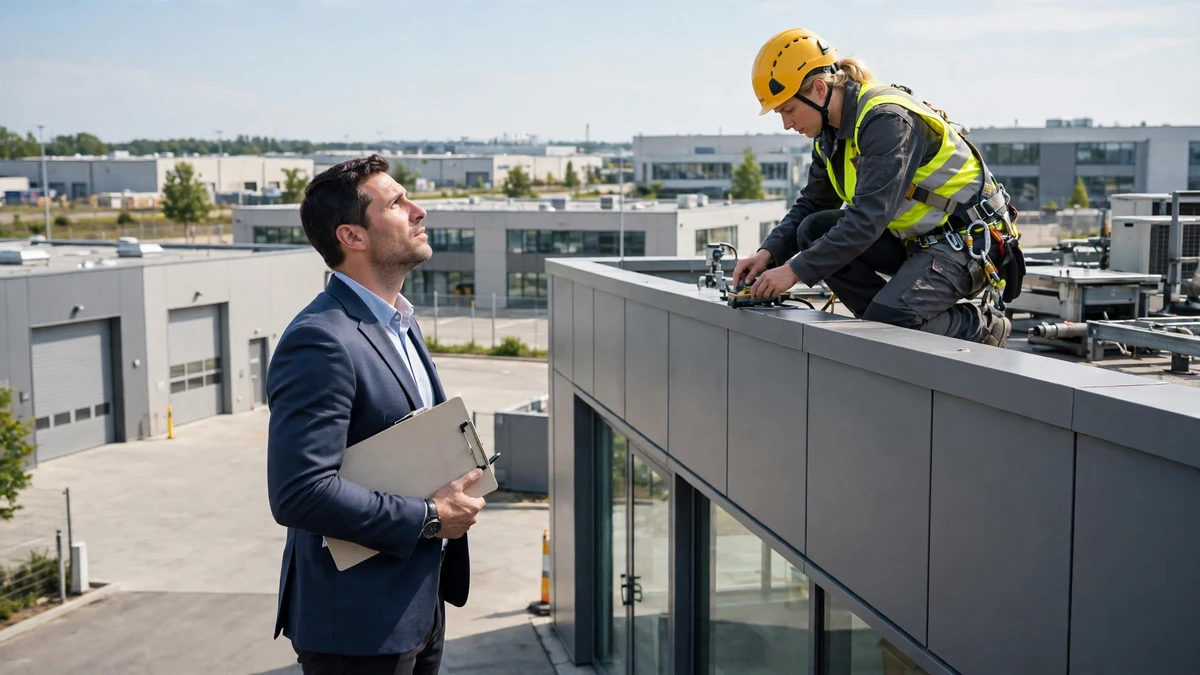
Buying commercial real estate can be an exciting opportunity, whether you are planning to open a business, expand your operations, or invest in a property for future income. However, a building that looks attractive during an initial visit may have hidden problems that affect its value and future expenses. A thorough Commercial property inspection helps buyers understand the property’s actual condition before making a financial commitment. Taking time to investigate potential issues can prevent unexpected costs and support a more confident investment decision.
Understand the Property Beyond Its Appearance
A commercial building may look well-maintained on the outside while having problems that are not immediately visible. Fresh paint, modern flooring, and attractive lighting can make a property seem ready for business, but these features do not necessarily reflect the condition of its essential systems.
Before moving forward, buyers should look beyond cosmetic improvements and consider the building’s overall condition. Important areas to evaluate include:
- Roofing: Look for signs of aging, water damage, and previous repairs.
- Foundation: Check for visible cracks, uneven floors, or other structural concerns.
- Electrical systems: Consider whether the wiring and equipment can support the intended business activities.
- Plumbing: Look for leaks, drainage problems, and outdated pipes.
- Heating and cooling: Review the condition and efficiency of the HVAC equipment.
Understanding these features early can help buyers identify concerns that might require expensive repairs later.
Review Maintenance and Repair History
A property’s maintenance records can reveal important details about how it has been managed. Buildings that receive regular attention may have fewer unexpected problems than properties where maintenance has been delayed.
Ask the seller for available records covering roof repairs, plumbing work, electrical upgrades, heating and cooling maintenance, and other significant improvements. These documents can help establish whether essential systems have been maintained properly.
It is also useful to ask whether the building has experienced recurring issues, such as water intrusion, drainage difficulties, or equipment failures. Previous problems do not automatically make a property unsuitable, but buyers should understand whether they were properly addressed.
Investigate Potential Pest and Termite Problems
Pest-related damage is another concern that commercial property buyers should not overlook. Termites and other wood-destroying organisms can affect structural components, wooden fixtures, and other building materials. In some cases, damage may remain unnoticed until a specialist carries out a closer assessment.
A qualified pest professional can examine vulnerable areas and explain whether treatment or repairs may be necessary. Buyers should also request information about previous pest treatments and any available warranties.
When comparing service providers, consider the average cost of termite inspection as one part of the overall purchasing budget. The final price may depend on the building’s size, accessibility, location, and the level of assessment required. Rather than choosing a provider based only on the lowest quote, review the service details and qualifications to understand what is included.
Examine Legal Documents and Property Records
Physical condition is only one part of a successful commercial property purchase. Legal documents and property records can also reveal issues that may affect ownership, business operations, or future development plans.
Before signing an agreement, review important documents such as:
- Property ownership records and title information.
- Zoning regulations and permitted commercial uses.
- Building permits and renovation approvals.
- Existing leases and tenant agreements.
- Property tax records and outstanding obligations.
- Any known restrictions, disputes, or easements.
If the property is already occupied by tenants, examine the lease terms carefully. Rental income may look attractive, but existing agreements can influence how quickly you can use or modify the building.
Working with a qualified real estate attorney can help clarify complicated documents and identify potential concerns before the transaction moves forward.
Calculate the Full Cost of Ownership
The purchase price is only one part of the financial commitment involved in commercial real estate. Buyers should estimate the expenses they may face after completing the transaction.
Some costs are easy to anticipate, while others may arise unexpectedly. Preparing a realistic budget helps prevent financial pressure once ownership begins.
Consider including these expenses:
- Property taxes and insurance premiums.
- Routine maintenance and cleaning.
- Utility bills and service charges.
- Repairs and replacement of aging equipment.
- Security and property management.
- Renovations needed for business operations.
- Emergency funds for unexpected problems.
It is also wise to compare the property’s expected income with its ongoing expenses. A building that generates strong rental revenue may still become a difficult investment if maintenance costs are consistently high.
Assess the Property’s Suitability for Your Business
Not every commercial property is suitable for every type of business. A location may appear attractive but lack the layout, facilities, parking, or accessibility needed for your intended operations.
Think about how employees, customers, suppliers, and visitors will use the space. A retail business may need convenient customer access, while a warehouse may require suitable loading facilities and storage capacity.
Consider the following questions:
- Does the building have enough usable space?
- Is the location convenient for customers and employees?
- Are parking and accessibility arrangements adequate?
- Can the existing layout support your business activities?
- Will renovations be necessary before operations begin?
Answering these questions before purchasing can help avoid spending additional money adapting an unsuitable property.
Work With Qualified Professionals
Commercial real estate transactions involve several technical and financial considerations. Trying to evaluate every detail independently can make it easier to overlook important information.
Depending on the property, buyers may benefit from working with building inspectors, structural engineers, pest specialists, real estate attorneys, and financial advisers. Each professional can assess a different aspect of the investment and provide information that supports better decision-making.
Choose professionals with relevant experience and request clear explanations of their findings. If a report identifies significant concerns, ask about their potential impact, repair options, and estimated expenses before deciding how to proceed.
Conclusion
Buying commercial real estate requires careful research beyond the asking price. Reviewing building conditions, maintenance records, legal documents, and future expenses can reduce uncertainty. By consulting qualified professionals and preparing a realistic budget, buyers can make informed decisions, avoid costly surprises, and choose a property that supports their long-term business or investment goals.