
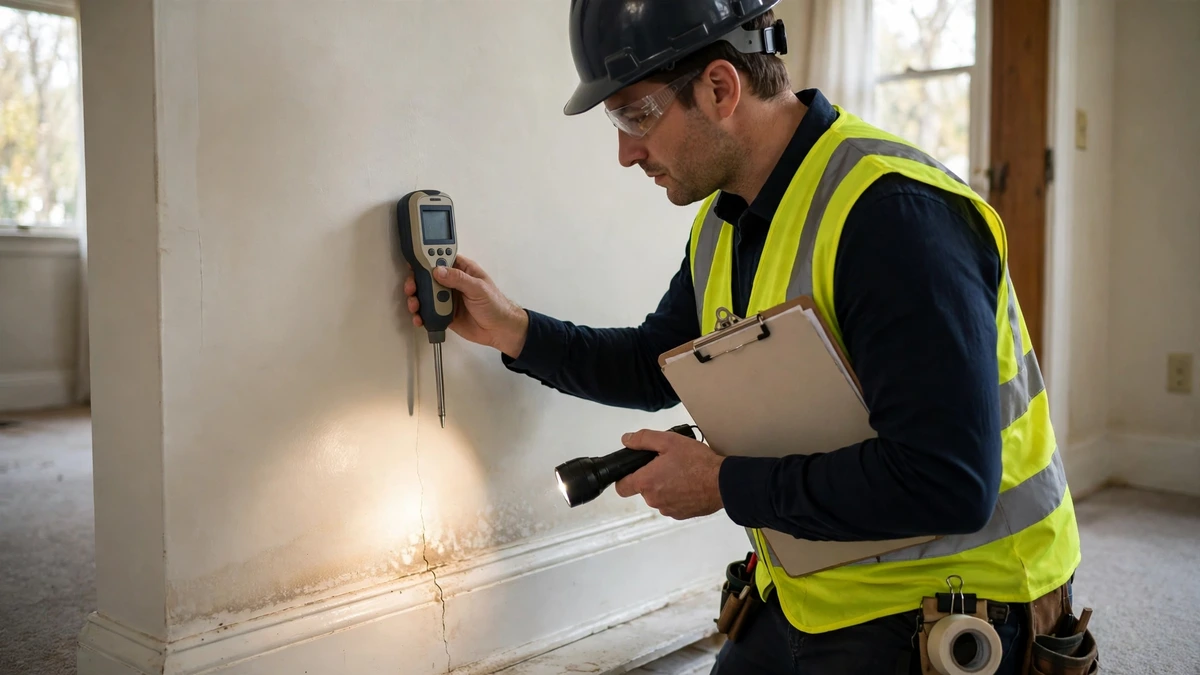
A property may look attractive during a viewing, with freshly painted walls, clean floors, and modern fixtures creating a positive first impression. However, appearances do not always reveal what is happening beneath the surface. A full home inspection can help buyers understand the property’s overall condition by examining accessible areas and identifying concerns that may otherwise go unnoticed.
Why a Detailed Property Assessment Matters
Buying a home is a major financial commitment, so understanding its condition before completing a purchase is essential. Small maintenance issues can sometimes develop into larger problems when they are overlooked or left unresolved.
A detailed assessment gives buyers a clearer picture of the property’s visible condition. It can highlight areas that need attention, help prioritize repairs, and provide useful information when discussing the purchase with a seller.
Even homeowners who are not planning to sell can benefit from periodic assessments. Identifying maintenance concerns early may help prevent further deterioration and support better long-term property care.
1. Identifying Structural Concerns
Structural components provide the foundation for a property’s stability and long-term performance. Problems involving foundations, walls, floors, or support structures may not always be immediately noticeable during an ordinary visit.
An inspector may look for visible warning signs such as:
- Cracks in interior or exterior walls.
- Uneven or sloping floors.
- Doors and windows that do not close properly.
- Signs of movement around the foundation.
- Deterioration in visible support materials.
Not every crack or uneven surface indicates a serious structural problem. Some changes may result from normal aging or minor settlement. However, unusual patterns or significant changes may justify further evaluation by a qualified structural professional.
2. Discovering Roof and Ceiling Problems
Roofing systems protect a home from rain, wind, sunlight, and other environmental conditions. Because many roofing areas are difficult to observe from ground level, damage can remain unnoticed until water begins entering the property.
A detailed assessment may identify missing or damaged roofing materials, deteriorated flashing, visible sagging, or signs of previous repairs.
Ceilings should also receive attention. Water stains, peeling paint, discoloration, and unusual marks may suggest a current or previous moisture problem.
Ask the seller whether the roof has been repaired or replaced recently. Maintenance records can provide useful background and help determine whether additional evaluation is necessary.
3. Examining Plumbing and Drainage Systems
Plumbing problems can affect everyday comfort and potentially cause damage to walls, flooring, cabinets, and other building materials. Even a small leak may become expensive if it continues unnoticed.
During an assessment, visible plumbing fixtures and accessible pipework may be checked for signs of leakage, corrosion, poor drainage, or unusual water pressure.
Pay attention to areas such as:
- Kitchen and bathroom sinks.
- Toilets and shower fixtures.
- Visible supply pipes.
- Water heaters and accessible connections.
- Drainage areas around the property.
An inspector may recommend a specialist assessment if the available evidence suggests a more complicated issue. For example, a separate sewer evaluation may be appropriate when there are concerns about underground drainage lines.
4. Checking Electrical Systems
Electrical problems can create safety concerns and may require professional attention. Older properties, in particular, may contain outdated components or systems that have not been maintained properly.
A property assessment may include checking accessible outlets, switches, lighting fixtures, and visible electrical panels. Inspectors may also look for exposed wiring, damaged components, or signs of previous alterations.
Buyers should not attempt to open electrical panels or investigate wiring themselves. If an issue is identified, a qualified electrician can carry out a more detailed evaluation and explain the recommended work.
Understanding the condition of these systems can help buyers plan for necessary improvements before moving into the property.
5. Detecting Moisture and Ventilation Issues
Moisture is one of the concerns that can be difficult to recognize during a short property visit. It may develop behind walls, beneath flooring, around windows, or in areas with limited ventilation.
Common visible warning signs include:
- Musty or unusual odors.
- Peeling paint or wallpaper.
- Damp patches on walls and ceilings.
- Condensation around windows.
- Discoloration near plumbing fixtures.
- Poor airflow in bathrooms or enclosed spaces.
Moisture problems can have several causes, including plumbing leaks, roof damage, poor drainage, or inadequate ventilation. Identifying the source is important because simply covering the visible damage may not resolve the underlying issue.
6. Recognizing Pest and Termite Activity
Pests can affect a property’s condition, particularly when they damage wooden materials or establish recurring activity inside the building.
Inspectors may notice visible evidence such as damaged timber, discarded insect wings, small openings, or signs of previous treatment. However, a general property assessment may not identify every pest-related concern.
If there are indications of termite activity, arranging a separate evaluation with a qualified pest-control professional may be appropriate. Reviewing previous treatment records can also help buyers understand whether the issue has been addressed.
7. Evaluating Windows, Doors, and Insulation
Windows and doors contribute to security, indoor comfort, ventilation, and energy efficiency. Damaged seals, poorly fitted frames, and difficulty opening or closing fixtures may indicate maintenance needs.
An assessment may also identify visible insulation concerns, particularly in accessible attic spaces or around exterior openings.
Poor insulation can make indoor temperatures harder to manage and may contribute to higher heating or cooling expenses. Understanding these conditions helps buyers consider potential improvements when preparing their overall property budget.
8. Understanding Local Property Conditions
Environmental conditions and construction practices can influence the types of concerns found in residential properties. For example, some areas may experience heavy rainfall, seasonal temperature changes, or specific drainage challenges.
Buyers considering properties in Southern California may explore Los Angeles Home Inspections to find professionals familiar with local residential conditions and common property assessment requirements.
A qualified local professional can explain which additional evaluations may be appropriate based on the property’s age, location, construction, and visible condition.
9. Using the Inspection Report to Plan Ahead
The final assessment report is valuable because it organizes observations into a format that buyers can review and discuss. It may include photographs, descriptions of visible concerns, and recommendations for further evaluation.
Read the report carefully and separate urgent concerns from routine maintenance suggestions. If a significant issue is identified, request clarification from the inspector or consult the relevant specialist.
Use the findings to prepare a realistic repair budget, discuss possible solutions, and make a more informed purchasing decision.
Conclusion
A detailed property assessment can reveal concerns that ordinary viewings may overlook. By examining structural components, plumbing, electrical systems, roofing, and moisture conditions, buyers gain valuable insight. Reviewing professional findings and arranging specialist evaluations when needed supports informed decisions and more responsible property ownership.