
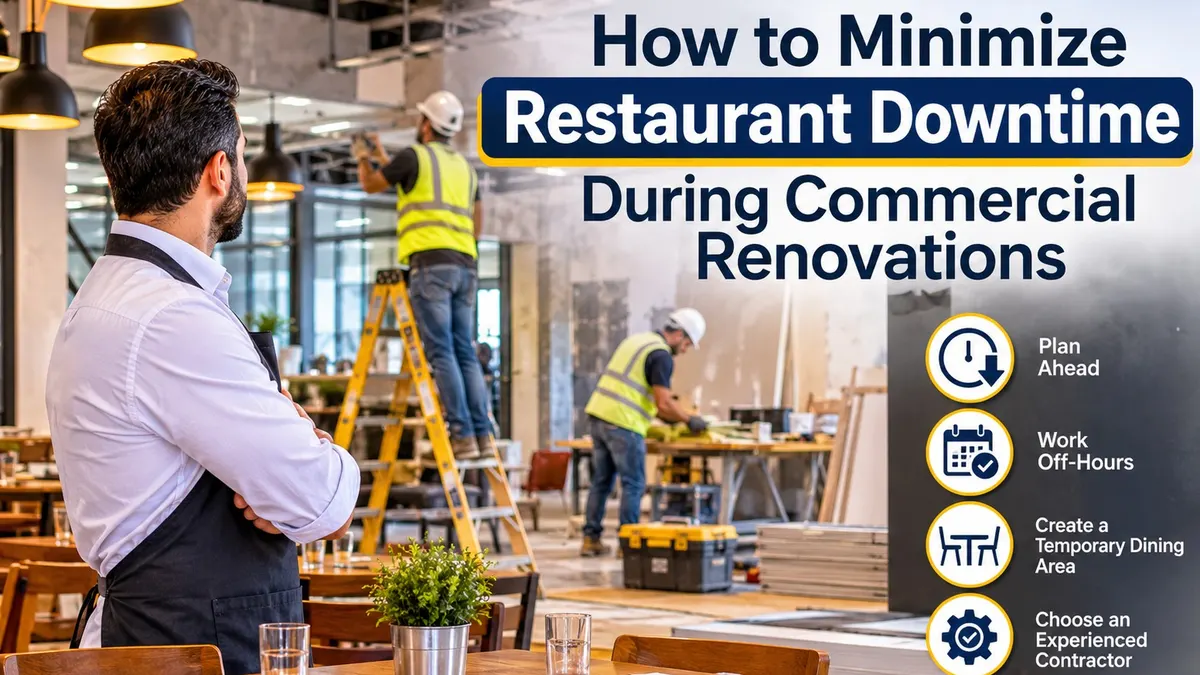
Every restaurant reaches a point where the space needs a fresh look. The flooring is worn out, the kitchen layout slows the line down, or the dining room simply feels outdated next to the new place down the street. A renovation is the answer, but it comes with one big question that keeps most owners up at night: how long will the doors stay closed?
In this time and age, restaurants run on thin margins. According to the National Restaurant Association, the average restaurant’s profit margin sits somewhere between three and six percent of revenue. Therefore, a renovation that drags on for even a few extra weeks can wipe out months of hard-earned profit. Moreover, when your doors are closed, your regulars don’t stop eating out. They simply find somewhere else to go, and some of them may not come back.
The good news is that you do not have to choose between an upgraded space and a steady income. With proper planning and experienced restaurant renovation contractors on your side, you can keep downtime to a minimum. We have listed everything you need to know so you are fully prepared before the first wall comes down.
Why Downtime Hurts Restaurants More Than Other Businesses
An office can shift its team to remote work for a month. A retail store can move its stock online. A restaurant, however, depends on people physically walking through the door, sitting down, and eating food cooked on-site. When the kitchen goes dark, almost everything stops.
Here is what you lose every day you stay closed:
Revenue: No covers means no income, while rent, loan payments, and insurance keep coming.
Staff: Hourly employees cannot go weeks without a paycheck. Good cooks and servers may take another job and never return.
Regulars: Dining habits change quickly. A customer who finds a new favorite spot during your closure is hard to win back.
Inventory: Perishable stock has to be used, sold, or thrown away before work begins.
This is why minimizing downtime should be part of the renovation plan from day one, not an afterthought once construction is already underway.
Plan Before the First Hammer Swings
Most renovation delays can be traced back to decisions that were rushed or skipped during planning. The more you sort out on paper, the less time you lose on-site.
Set Clear Goals and Scope
The first question to ask is, why are you renovating? Is it to modernize the look, improve kitchen workflow, add more seating, or meet new code requirements? A clear goal keeps the scope from growing halfway through the project. Every new idea added mid-construction means more time, more cost, and more days without full service.
Bring Contractors in Early
Many owners finalize the design first and only then start calling contractors. This is where problems begin. Experienced restaurant renovation contractors should be involved in the early planning stage. They can point out permit issues, flag design choices that will slow the build, and suggest ways to keep part of the restaurant running during construction.
Order Long-Lead Items Ahead of Time
Commercial kitchen equipment, walk-in coolers, exhaust hoods, and custom millwork can take weeks or even months to arrive. If the crew is ready but the hood is stuck in transit, your restaurant sits idle for no reason. Order these items as early as possible and have them delivered before the related work is scheduled.
Line Up Permits and Inspections
Building permits, health department approvals, and fire inspections all come with their own timelines. A failed inspection at the end of the project can push your reopening back by days. A good contractor will know local requirements and schedule inspections so they do not hold up the work.
Choose the Right Restaurant Renovation Contractors
Not every general contractor is suited for food service work. A contractor who builds offices or homes may do excellent work, but a restaurant has its own set of demands, from grease ducts and gas lines to health codes and tight reopening dates.
When comparing restaurant renovation contractors, look for the following:
Food service experience: They should have completed restaurant or commercial kitchen projects before and be able to show you examples.
Flexible working hours: Contractors who are willing to work at night, early mornings, or on your closed days make it far easier to stay open.
Knowledge of health and safety codes: They should understand what inspectors look for in a commercial kitchen.
A detailed schedule: Ask for a timeline with clear milestones, not just a start and end date.
Strong references: Speak to other restaurant owners they have worked with and ask how closely the project stuck to its timeline.
Hiring the right team is the single biggest factor you can control. Weather, supply delays, and surprise issues behind the walls are out of your hands, but the experience of your crew is not.
Phased Renovation or Full Shutdown?
Once the scope is clear, you need to decide whether to stay open during the work or close completely for a short period. Both options have their place.
Phased Renovation
A phased approach breaks the project into sections so that part of the restaurant keeps serving while another part is being worked on. For example, you could remodel the back prep area first and then move on to the hot line, or upgrade the dish station while the dining room continues to serve guests. This keeps revenue flowing, but the overall project usually takes longer.
Full Shutdown
A full shutdown means closing the restaurant entirely while the work is done. It is faster because the crew has unrestricted access and does not need to clean and reset the space every night. However, it also means zero revenue for the length of the closure.
Which One Is Right for You?
As a general rule, cosmetic upgrades such as new paint, lighting, furniture, or flooring in sections are well suited to a phased approach. A full kitchen gut, major plumbing, or a complete layout change is often better done in one short, well-planned closure. Your restaurant renovation contractors can help you weigh the cost of lost sales against the cost of a longer project and find the option that works out best for your business.
Schedule Work Around Your Business
Timing can make a huge difference. If your restaurant has a seasonal pattern, plan the renovation during your slowest months. A closure in January or February in a tourist-heavy area costs far less than losing a busy summer.
On a day-to-day basis, try to:
Schedule the noisiest and dustiest tasks after closing or early in the morning.
Plan major installs on the days you are normally closed or least busy.
Bundle trades together so each crew finishes its work in fewer visits.
Store new equipment and furniture off-site until it is ready to be installed, so it does not crowd your working space.
Keep Dust, Noise, and Safety Under Control
If you decide to stay open, you need to keep construction completely separate from your guests and your food. Dust settles everywhere, and a single complaint about debris near the food can do more damage than a week of closure.
A few steps make a big difference:
Temporary walls and barriers: Seal off work areas with rigid barriers rather than plastic sheeting alone.
Separate access: Give the crew a separate entrance so they are not walking through the dining room with tools and materials.
Protect food prep areas: Keep all food storage and prep well away from active work zones.
Clean up daily: Make sure the crew leaves the space clean and safe before service begins each day.
Clear signage: Let guests know which areas are closed and where to go.
Keep the Kitchen Cooking
Even if the kitchen has to go offline, your business does not have to. Many restaurants keep some form of service going through creative workarounds:
- Rent a mobile kitchen trailer or temporary cooking setup.
- Offer a limited menu that can be prepared with the equipment still available.
- Shift focus to takeout, delivery, or catering for the length of the project.
- Use a shared commercial kitchen nearby to prepare food.
A smaller menu for a few weeks is far better than no menu at all. It keeps your staff working and your name in front of customers.
Communicate With Your Staff and Customers
Your team should never hear about a renovation at the last minute. Share the timeline early, explain how shifts may change, and look for ways to keep everyone working. Some staff can help with deep cleaning, inventory, or training on new equipment. Retaining your trained team means you can reopen at full strength instead of hiring and training from scratch.
Customers also appreciate being kept in the loop. Use your social media, website, email list, and in-store signs to let them know what is happening and why. You can even turn the renovation into a marketing opportunity with under-construction specials, sneak peeks of the new space, and a grand reopening event. When guests feel part of the journey, they are far more likely to come back and see the result.
Build a Buffer Into Your Timeline and Budget
No matter how well you plan, surprises happen. Old wiring, hidden water damage, or a delayed delivery can throw off the schedule. Therefore, it is always wise to set aside a contingency budget and add a few extra days to your timeline. If everything runs smoothly, you reopen early, which is a win. If it doesn’t, you are prepared instead of panicking.
Final Thoughts
A renovation should help your restaurant grow, not put it at risk. With early planning, a clear scope, smart scheduling, and open communication, you can upgrade your space while keeping your kitchen busy and your customers loyal. Above all, the team you hire makes the biggest difference. Choose restaurant renovation contractors who understand the restaurant business, and your downtime will be short, your reopening will be smooth, and the investment will pay for itself in no time.
Frequently Asked Questions
1. Can a restaurant stay open during a renovation?
Yes, in many cases it can. Cosmetic updates and phased projects can usually be completed while the restaurant stays open, especially if the noisiest work is done after hours. Major kitchen overhauls may require a short closure.
2. How long does a restaurant renovation take?
It depends on the scope. A modest cosmetic refresh may take four to six weeks, while a full-scale renovation can take several months. Phased projects usually take longer overall but allow you to keep earning during the work.
3. How do I choose restaurant renovation contractors?
Look for contractors with proven food service experience, flexible working hours, knowledge of local health codes, and strong references from other restaurant owners. Always ask for a detailed schedule with clear milestones.
4. What is the cheapest way to renovate a restaurant without closing?
Spreading smaller upgrades over time, rather than doing everything at once, is usually the most affordable option. It keeps the doors open and allows you to fund each phase from ongoing revenue.