
If you’ve ever caught a whiff of unexpectedly bad breath despite brushing regularly, or felt like something small and hard was lodged at the back of your throat, you may have experienced tonsil stones. These small, calcified clusters technically called tonsilloliths form in the natural pockets of your tonsils and are far more common than most people realize. They’re often harmless, but they can be surprisingly persistent, uncomfortable, and, in some cases, a source of chronic bad breath that no amount of mouthwash seems to fix.
The good news is that tonsil stones are almost always manageable, and in most cases, you can deal with them safely at home without needing a medical procedure. This guide walks through exactly what tonsil stones are, why they form, the safest ways to remove them, what to avoid, and when it’s time to see a doctor so you can address them with confidence instead of guesswork.
What Are Tonsil Stones?
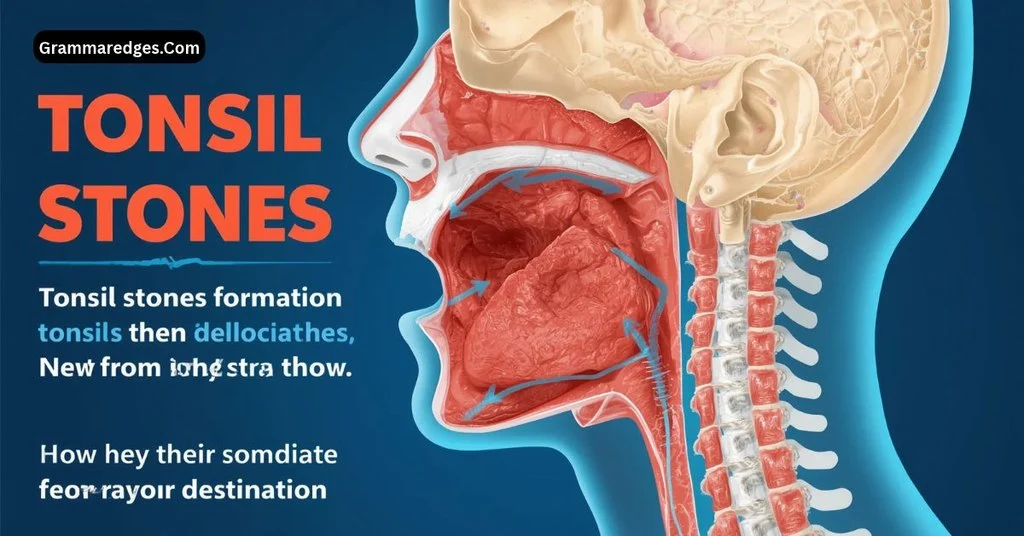
Tonsil stones, medically known as tonsilloliths, are small, hardened deposits that form within the tonsils — two soft tissue masses located at the back of your throat. To understand why they form, it helps to look at the structure of the tonsils themselves.
The Role of Tonsil Crypts
Your tonsils aren’t smooth; they’re covered in small pockets and folds called crypts. These crypts are a natural part of your immune system’s design, helping trap bacteria and viruses so your body can fight them off. However, this same structure makes them prone to collecting debris — food particles, dead skin cells, mucus, and bacteria can all settle into these pockets over time.
How They Form and Calcify
When this trapped debris isn’t cleared out naturally, it can harden and calcify, much like plaque hardens on teeth. Over days or weeks, this buildup solidifies into a small, whitish or yellowish stone. Some stones stay microscopic and go unnoticed, while others grow large enough to be visible or even felt.
Size and Appearance
Tonsil stones vary widely in size — from tiny, grain-like specks to, in rare cases, stones as large as a grape. They typically appear white, cream, or yellow in color and may have a distinct, unpleasant odor due to the sulfur-producing bacteria involved in their formation.
Causes and Risk Factors
Tonsil stones don’t form randomly — certain habits, conditions, and anatomical traits make some people far more prone to them than others.
Anatomical Factors
Some people simply have larger tonsils with deeper, more numerous crypts. The more surface area and pockets available, the more opportunities debris has to collect and calcify. This is why some individuals develop tonsil stones repeatedly throughout their life while others never experience them at all.
Chronic Tonsillitis or Inflammation
Frequent tonsil infections or inflammation can enlarge the crypts and make them more likely to trap debris. Recurrent tonsillitis is one of the most common underlying contributors to persistent tonsil stones.
Poor Oral Hygiene
Infrequent brushing, flossing, or tongue cleaning allows food particles and bacteria to build up in the mouth, increasing the material available to settle into tonsil crypts.
Post-Nasal Drip and Sinus Issues
Chronic sinus congestion or allergies cause mucus to continually drip down the back of the throat, feeding the bacteria that contribute to stone formation.
Dry Mouth and Dehydration
Saliva plays a natural cleansing role in the mouth. Reduced saliva production — from dehydration, certain medications, or mouth breathing — allows bacteria and debris to linger longer.
Diet and Lifestyle
Diets high in dairy or sugar can promote bacterial growth, while smoking has also been linked to a higher incidence of tonsil stones due to its effect on oral bacteria and tissue irritation.
Symptoms and How to Tell You Have Them
Tonsil stones don’t always cause noticeable symptoms — many people discover them by accident, either by feeling something unusual or seeing a small white speck in the mirror. When symptoms do appear, they tend to fall into a few common patterns.
Bad Breath (Halitosis)
This is by far the most common and telltale sign. The sulfur-producing bacteria within tonsil stones release a distinct, unpleasant odor that persistent brushing or mouthwash often fails to fully mask.
Sore Throat or Irritation
A tonsil stone can cause a mild, localized soreness or scratchy sensation, especially if it’s lodged in a way that irritates surrounding tissue.
A Feeling of Something Stuck
Many people describe a sensation of a foreign object caught in the back of the throat, even when nothing is visibly obvious.
Difficulty Swallowing
Larger stones can create mild discomfort or a sense of resistance when swallowing food, liquid, or even saliva.
Ear Pain
Because the tonsils share nerve pathways with the ears, some people experience referred pain — an ache felt in the ear despite the stone being located in the throat.
Visible White or Yellow Specks
In more obvious cases, tonsil stones are visible as small, hardened spots on the tonsils when looking in a mirror.
No Symptoms at All
It’s worth noting that many tonsil stones are entirely symptom-free and are discovered only during a dental or medical exam.
How Tonsil Stones Are Diagnosed
In most cases, diagnosing tonsil stones doesn’t require advanced medical testing — but knowing how they’re identified can help you understand when a home observation is enough and when a professional opinion is worth seeking.
Self-Examination
Many people first notice tonsil stones simply by looking in the mirror with a flashlight, or by feeling a hard, small lump at the back of the throat. Visible white or yellow specks on the tonsils are usually a strong indicator.
Professional Physical Exam
When a stone isn’t clearly visible but symptoms persist — like chronic bad breath or a lingering feeling of something stuck — a doctor or dentist can perform a simple visual and physical examination of the tonsils and throat to check for stones nestled deeper in the crypts.
Imaging for Larger or Hidden Stones
In rare cases where a stone is unusually large or embedded deep within tonsil tissue, a doctor may order imaging such as a CT scan or X-ray to get a clearer picture of its size and position, particularly if it’s causing significant discomfort or is suspected of contributing to other complications.
Ruling Out Other Conditions
Because symptoms like sore throat and bad breath can overlap with other conditions, doctors will often rule out:
- Tonsillitis (inflamed, infected tonsils)
- Strep throat
- Oral thrush (a fungal infection)
At-Home Removal Methods (Safe)
For most people, tonsil stones can be managed safely without a trip to the doctor. The key is using gentle, low-risk techniques rather than forceful or sharp tools.
Salt Water Gargling
This is the safest and most recommended first step. Warm salt water helps loosen stones, reduce bacteria, and soothe irritated tissue.
- Mix ½ teaspoon of salt into a cup of warm water
- Gargle for 30 seconds at a time
- Repeat several times a day, especially after meals
Coughing Technique
A firm, controlled cough can sometimes naturally dislodge a stone that’s already loose or partially exposed, without any direct contact needed.
Water Flosser or Oral Irrigator
A water flosser set to its lowest pressure can gently flush debris from tonsil crypts.
- Use lukewarm water only
- Aim carefully and briefly at the tonsil area
- Stop immediately if it causes discomfort or gagging
Gentle Cotton Swab Method
If a stone is clearly visible and appears loose, some people gently nudge it free with a soft cotton swab.
- Only attempt this with visible, loose stones
- Use minimal pressure — tonsil tissue is delicate
- Stop immediately if you feel pain or notice bleeding
Gagging Reflex Technique
For some, triggering a mild gag reflex (such as with a tongue depressor near the back of the tongue) can help expel a loose stone naturally, though this should be done cautiously and infrequently.
Methods to Avoid and Why
While it’s tempting to search for quick fixes, several popular “hacks” for removing tonsil stones can do more harm than good. Understanding the risks helps you avoid turning a minor annoyance into a painful problem.
Sharp or Hard Objects
Using toothpicks, tweezers, bobby pins, or fingernails to dig at tonsil stones is one of the most common mistakes people make — often after seeing it demonstrated in online videos. Tonsil tissue is soft, delicate, and highly vascular, meaning even a small slip can cause real damage.
Aggressive Digging or Scraping
Trying to force out a stone that isn’t loose or visible often leads to repeatedly pressing on the same irritated area, which can inflame the tissue further rather than resolving the issue.
Why These Methods Are Risky
- Bleeding: Tonsil tissue bleeds easily when scratched or punctured, and cuts here can be slow to heal.
- Infection: Introducing bacteria from an unsterilized object into broken tissue increases the risk of a secondary infection.
- Tissue damage or scarring: Repeated trauma to the same area can cause lasting irritation or scarring of the tonsil surface.
- Worsened gag reflex or injury: Forcing tools too far back can trigger a strong gag reflex, increasing the chance of accidental injury.
The Safer Mindset
If a stone doesn’t come out easily with gentle methods like gargling or a water flosser, it’s better to leave it alone and let it dislodge naturally — or have it removed professionally — rather than risk injury trying to force it out.
Prevention Strategies
While tonsil stones can’t always be prevented entirely — especially for people with naturally deep tonsil crypts — consistent habits can significantly reduce how often they form.
Build a Solid Oral Hygiene Routine
- Brush twice daily, making sure to also clean the back of your tongue where bacteria tend to accumulate
- Floss daily to remove food particles before they can migrate toward the throat
- Use a tongue scraper regularly, since the tongue’s surface harbors much of the bacteria linked to tonsil stone formation
Rinse with an Alcohol-Free Antiseptic Mouthwash
Alcohol-based mouthwashes can dry out the mouth, which ironically worsens the conditions that lead to tonsil stones. An alcohol-free antiseptic rinse helps reduce bacteria without contributing to dryness.
Stay Hydrated
Saliva naturally cleanses the mouth and throat. Drinking enough water throughout the day keeps saliva production steady and helps wash away debris before it can settle into tonsil crypts.
Adjust Your Diet
Reducing excessive dairy and sugar intake can help, since these foods can contribute to mucus production and bacterial buildup in some people.
Address Underlying Sinus or Allergy Issues
Since post-nasal drip is a major contributor, managing chronic allergies or sinus congestion — through treatment, allergy medication, or a humidifier — can meaningfully cut down on the mucus feeding tonsil stone formation.
Make Gargling a Routine Habit
Rather than waiting for a stone to form, gargling with warm salt water a few times a week can serve as ongoing maintenance to keep tonsil crypts clear.
Medical and Professional Treatment Options
For people who experience frequent, large, or particularly stubborn tonsil stones, home remedies may not be enough. In these cases, several professional treatment options can offer longer-term relief.
Manual Extraction by a Doctor or Dentist
For visible or easily accessible stones, a healthcare provider can safely remove them using sterile instruments in a controlled setting — a far safer alternative to attempting removal with sharp objects at home.
Laser Cryptolysis
This procedure uses a laser to reshape or smooth out the tonsil crypts, reducing the pockets where debris can collect. It’s typically done under local anesthesia and can significantly lower the frequency of future stones without removing the tonsils entirely.
Coblation Cryptolysis
Similar in goal to laser cryptolysis, this method uses radiofrequency energy instead of a laser to gently reduce and reshape the crypts. It’s often associated with less post-procedure discomfort and a quicker recovery.
Tonsillectomy
In cases of chronic, severe, or recurrent tonsil stones — especially when paired with frequent tonsillitis — a doctor may recommend a full tonsillectomy (surgical removal of the tonsils). While highly effective at eliminating tonsil stones permanently, it’s generally considered a last resort due to the recovery time and potential surgical risks.
Weighing the Options
Each treatment varies in invasiveness, recovery time, and permanence. Cryptolysis procedures preserve the tonsils while reducing stone formation, whereas tonsillectomy offers a permanent fix but comes with a more significant recovery period and surgical considerations worth discussing thoroughly with an ENT specialist.
When to See a Doctor
Most tonsil stones are harmless and manageable at home, but certain signs indicate it’s time to move beyond self-care and consult a healthcare provider.
Recurring or Large Stones
If you find yourself dealing with tonsil stones repeatedly — or notice they’re growing larger over time — this pattern suggests an underlying issue, such as deep crypts or chronic inflammation, that a doctor can properly assess and address.
Chronic Bad Breath That Won’t Resolve
If you’ve maintained consistent oral hygiene, gargled regularly, and stayed hydrated, but bad breath persists, it may point to stones lodged too deep to reach with home methods, or another contributing condition worth investigating.
Signs of Infection
Seek medical attention if you notice:
- Fever
- Visible pus on or around the tonsils
- Severe or worsening pain
- Swollen, red, or inflamed tonsils
These can indicate a secondary infection or tonsillitis requiring treatment beyond home care, such as antibiotics.
Difficulty Breathing or Swallowing
Though rare, a stone large enough to interfere with breathing or swallowing is a clear signal to seek prompt medical care, as this can affect basic function and comfort significantly.
Persistent Discomfort Despite Treatment
If pain, irritation, or a lodged sensation continues despite consistent home care over one to two weeks, it’s worth having a doctor examine your tonsils to rule out other causes and discuss more targeted treatment options.
Myths and Misconceptions
Tonsil stones are surrounded by plenty of misinformation, much of it fueled by social media videos and anecdotal advice. Separating fact from fiction can help you approach them with the right mindset.
Myth: Tonsil Stones Mean You Have Poor Hygiene
While poor oral hygiene can contribute to tonsil stone formation, it’s far from the only cause. Many people with excellent dental habits still develop them due to naturally deep tonsil crypts, chronic sinus issues, or recurring tonsillitis — factors entirely unrelated to how well someone brushes or flosses.
Myth: You Must Remove Every Stone Immediately
Not every tonsil stone requires urgent action. Many are small, symptom-free, and will dislodge naturally over time. Constantly probing or attempting to remove every visible speck can do more harm than simply letting gentle, routine care handle it.
Myth: Tonsillectomy Is the Only Permanent Fix
While removing the tonsils does eliminate the possibility of future tonsil stones, it’s not the only long-term solution. Procedures like laser or coblation cryptolysis can significantly reduce recurrence while preserving the tonsils, making full removal unnecessary for many people.
Myth: Tonsil Stones Are a Sign of a Serious Illness
For the vast majority of people, tonsil stones are a benign, common occurrence — not an indicator of a serious underlying disease. While chronic cases are worth discussing with a doctor, an occasional stone is generally nothing to be alarmed about.
Frequently Asked Questions
Are tonsil stones contagious?
No, tonsil stones themselves are not contagious. They form from debris and bacteria that are already naturally present in your own mouth and throat, so they can’t be passed from person to person like a cold or flu.
Can children get tonsil stones?
Yes, though they’re less common in children than adults. Kids with larger tonsils, frequent tonsillitis, or chronic allergies may be more prone to developing them. If a child shows symptoms like persistent bad breath or throat discomfort, a pediatrician can help determine the cause.
Do tonsil stones go away on their own?
Often, yes. Smaller stones can dislodge naturally through everyday activities like eating, drinking, coughing, or swallowing. Larger or more deeply lodged stones may require gentle intervention or professional removal if they don’t resolve on their own.
Are tonsil stones linked to tonsil cancer?
No, tonsil stones are a benign condition and are not a form of cancer or a direct precursor to it. However, if you notice unusual changes, such as persistent one-sided swelling, unexplained lumps, or lesions that don’t resolve, it’s worth having a doctor take a look to rule out anything more serious.
Can diet alone prevent tonsil stones?
Diet can help reduce risk — particularly cutting back on excess dairy and sugar — but it’s rarely the sole factor. Combining dietary changes with good oral hygiene, hydration, and regular gargling offers a more complete prevention strategy.
Conclusion
Tonsil stones are one of those conditions that can feel alarming the first time you notice them a hard white speck at the back of your throat, or breath that won’t freshen up no matter how much you brush. But as this guide has covered, they’re an extremely common and, in most cases, easily manageable issue rather than a serious medical concern.
The safest path forward starts with gentle, low-risk methods: warm salt water gargling, careful use of a water flosser, and maintaining consistent oral hygiene habits like brushing your tongue and staying hydrated. These simple, everyday practices are often enough to both dislodge existing stones and prevent new ones from forming.
Just as important is knowing what to avoid sharp objects and aggressive digging may seem like a quick fix, but they carry real risks of bleeding, infection, and lasting tissue irritation. When home care isn’t enough, or if stones become frequent, large, or accompanied by signs of infection, a doctor or ENT specialist can offer effective solutions, from simple manual extraction to procedures like laser cryptolysis or, in more severe cases, tonsillectomy.
Ultimately, tonsil stones don’t have to be a source of ongoing frustration or embarrassment. With the right combination of gentle care, good habits, and knowing when to seek professional input, you can keep them under control and maintain fresher breath and a more comfortable throat with confidence.